










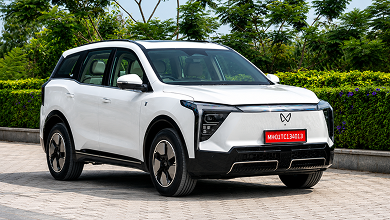












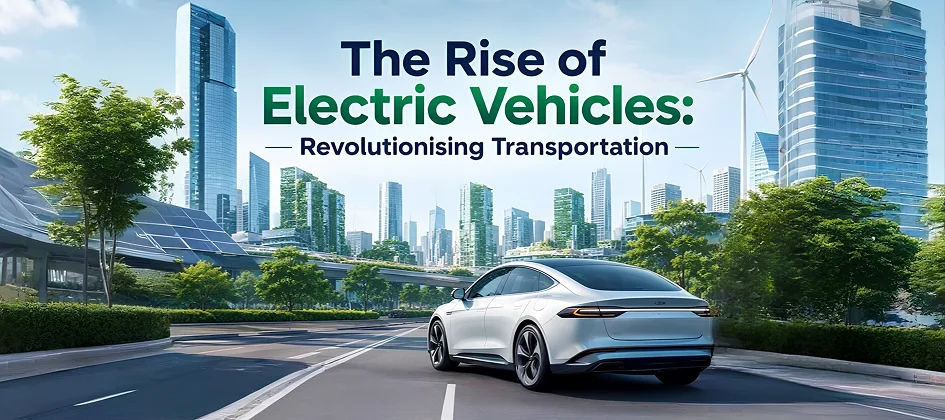
In recent years, the automotive industry has undergone a profound transformation, driven by technological advancements and growing environmental awareness. At the forefront of this change is the electric vehicle (EV), a transportation innovation that promises to redefine mobility, reduce carbon footprints, and foster sustainability. Electric vehicles represent a paradigm shift from traditional internal combustion engine (ICE) vehicles, offering numerous economic, environmental, and societal benefits.
The concept of electric vehicles is not new. The first practical EVs were developed in the late 19th century, and they were initially preferred over gasoline-powered cars for their quiet and clean operation. However, advancements in internal combustion engine technology and the discovery of abundant fossil fuel reserves sidelined EVs for much of the 20th century. It was only in the 21st century, amidst concerns about climate change, rising fuel costs, and depleting natural resources, that EVs began to regain prominence.
Today, electric vehicles are more sophisticated than ever, powered by lithium-ion batteries that offer longer ranges and faster charging times. Companies like Tesla, BYD, and Nissan and traditional automakers like General Motors and Volkswagen have invested heavily in EV technology, signaling a shift in the global automotive landscape.
1. Environmental Impact:
One of the most compelling reasons to adopt EVs is their potential to mitigate climate change. Unlike ICE vehicles, EVs produce zero tailpipe emissions, reducing greenhouse gas emissions and air pollution. This is particularly significant in urban areas, where transportation is a major contributor to poor air quality.
2. Economic Advantages:
Although the initial cost of purchasing an EV can be higher than that of traditional cars, the long-term savings are substantial. Electric vehicles have lower running costs due to reduced fuel expenses and minimal maintenance requirements, as they have fewer moving parts compared to ICE vehicles.
3. Energy Independence:
Electric vehicles can be powered by a variety of energy sources, including renewable options like solar, wind, and hydropower. This reduces dependency on fossil fuels and enhances energy security, particularly in countries that import large quantities of oil.
4. Technological Innovation:
The rise of EVs has spurred innovation across various industries. From advancements in battery technology to the development of charging infrastructure, the electric vehicle revolution has catalyzed research and development, creating new job opportunities and economic growth.
Despite their numerous benefits, electric vehicles face several challenges. The availability and accessibility of charging infrastructure remain significant barriers, especially in developing regions. Range anxiety, or the fear of running out of battery power before reaching a charging station, also deters potential buyers.
Furthermore, the production and disposal of batteries pose environmental and ethical concerns. Mining for materials like lithium and cobalt has significant ecological and social implications, and recycling EV batteries remains a complex and costly process.
The future of transportation lies in electrification. Governments worldwide are implementing policies and incentives to accelerate EV adoption, such as subsidies, tax breaks, and investments in charging infrastructure. Additionally, advancements in battery technology, including solid-state batteries, promise to address current limitations by offering higher energy density, faster charging times, and improved safety.
Autonomous driving technology, another transformative innovation, is expected to integrate seamlessly with electric vehicles, further enhancing efficiency and safety. Moreover, the development of vehicle-to-grid (V2G) technology will enable EVs to serve as mobile energy storage units, contributing to a more resilient and sustainable energy grid.
Electric vehicles represent a crucial step toward a sustainable and environmentally friendly future. While challenges remain, the ongoing commitment of governments, industries, and consumers to advancing EV technology ensures a brighter and cleaner tomorrow. By embracing electric vehicles, society can reduce its carbon footprint, decrease reliance on fossil fuels, and pave the way for innovative and sustainable transportation solutions.


Manage reminders, payment status, and renewal dates from one simple app.


Trusted by policyholders to track every renewal.

