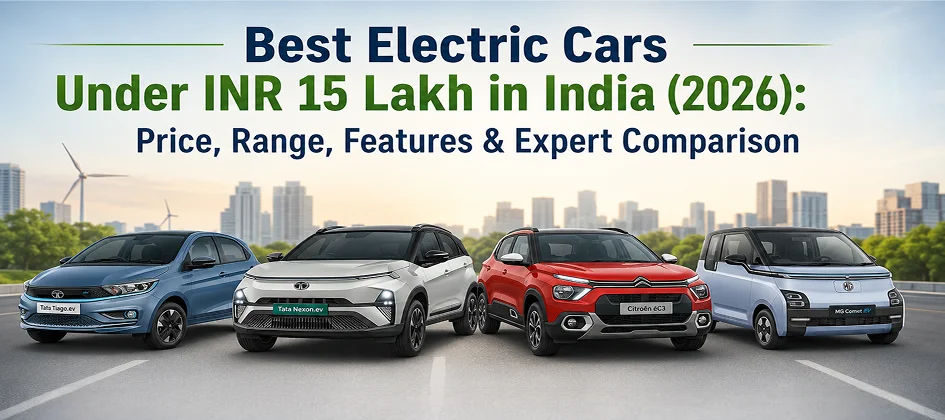
Electric cars are becoming increasingly popular in India as buyers look for eco-friendly, low-maintenance, and cost-effective alternatives to petrol and diesel vehicles. Thanks to improved battery technology, expanding charging infrastructure, and competitive pricing, owning an electric car is now more practical than ever.
If you're planning to buy an EV on a budget, this guide covers the best electric cars under INR 15 lakh in India in 2026 based on price, range, features, charging capabilities, and overall value for money.
The best electric cars under INR 15 Lakh in India in 2026 include the Tata Punch EV, MG Windsor EV, Tata Nexon EV, Tata Tiago EV, and Citroen eC3. These vehicles offer an optimized combination of daily real-world driving range, modern safety technology, and incredibly low running costs.
| Electric Car | Approx. Base Price (Ex-Showroom) | Claimed Range | Battery Capacity | Best For |
| Tata Punch EV | INR 9.69 Lakh | Up to 421 km | 30 – 40 kWh | Best Overall All-Rounder |
| Tata Tiago EV | INR 7.99 Lakh | Up to 315 km | 19.2 – 24 kWh | Budget-Conscious Buyers |
| MG Comet EV | INR 6.99 Lakh | Up to 230 km | 17.3 kWh | Pure Ultra-Compact City Commute |
| Tata Nexon EV | INR 12.49 Lakh | Up to 489 km | 30 kWh (MR Pack) | Premium SUV Styling & Dynamics |
| MG Windsor EV | INR 14.00 Lakh | Up to 332 km | 38 kWh | Luxury & Rear-Seat Lounge Comfort |
| Citroën eC3 | INR 12.90 Lakh | Up to 320 km | 29.2 kWh | Plush Ride Quality & Bad Roads |
The BaaS Pricing Factor: Manufacturers like MG offer Battery-as-a-Service (BaaS) options. This drops the upfront purchase price of premium cars like the Windsor EV or Comet EV down by lakhs, allowing you to pay for the car body first and rent the battery pack on a fixed per-kilometer rate.
EV technology has matured immensely in India. Modern entry-segment EVs are no longer just restricted to hyper-local commutes; they are tech-first daily drivers offering the following:
Unbeatable Running Costs: An average cost of INR 1.0–1.5 per km compared to INR 6.0–8.0 per km on petrol.
Fewer Moving Parts: Drastically lower annual service and mechanical maintenance bills.
Instant Torque: Silent, vibration-free cabins with immediate throttle response that makes gridlocked city traffic completely effortless.
Built on Tata’s EV-exclusive 'Acti.ev' architecture, the Punch EV dominates the segment. It packages high ground clearance, an authoritative seating position, and premium tech into a compact, easy-to-drive footprint.
Key Highlights: 10.25-inch twin screens, electronic parking brake, ventilated front seats, and an unconventional front trunk (frunk).
Pros:
Exceptional safety credentials (5-Star Bharat NCAP rating).
Highly practical real-world range on the long-range variants.
Cons:
Top-tier variants easily breach the INR 14 lakh mark.
Who Should Buy? Families and daily commuters wanting zero compromises on safety and modern features.
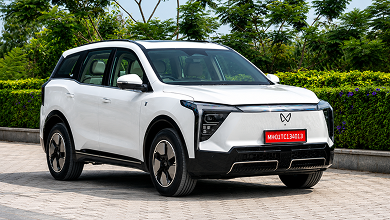
The Windsor EV disrupted the market by offering massive C-segment interior space at a budget price point. It moves away from standard rear benches to focus heavily on luxury, featuring business-class layout aesthetics.
Key Highlights: 135-degree reclining Aero Lounge rear seats, massive 15.6-inch Grand View touchscreen, and a sprawling glass roof.
Pros:
Unmatched cabin space and premium material quality.
Future-proof "Software-Defined Vehicle" cabin control.
Cons:
The entry-level variant sits right at the INR 14 lakh barrier; higher versions cross the budget.
Who Should Buy? Chauffeur-driven buyers or tech lovers prioritizing rear-seat legroom and futuristic gadgets.
Thanks to aggressive price adjustments, the entry-level variants of India’s highest-selling electric SUV now fit comfortably inside the INR 15 lakh bracket.
Key Highlights: Generation-2 high-efficiency motor, crisp full-width LED light bars, and paddle shifters for regenerative braking control.
Pros:
Exceptional high-speed stability and highway driving dynamics.
Highly sophisticated, upscale cabin aesthetics.
Cons:
To stay under INR 15 lakh, you must stick strictly to the medium-range (30 kWh) battery pack.
Who Should Buy? Driving enthusiasts who want a proven, rugged SUV platform capable of handling occasional inter-city highway trips.
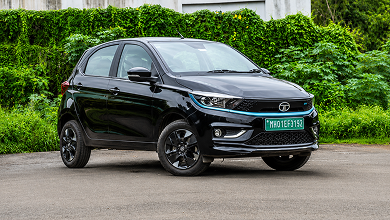
The Tiago EV remains the quintessential gateway into electric mobility for mainstream India. It is compact, incredibly zippy, and leverages a highly reliable service ecosystem.
Key Highlights: Multi-mode regeneration levels, connected car telematics, and automatic climate control.
Pros:
Highly accessible price point.
Effortless city maneuverability and easy parking.
Cons:
Limited boot space; rear cabin comfort feels slightly tight for three adults.
Who Should Buy? Urban households looking for an ultra-efficient second vehicle strictly for daily city errands.
The Citroen eC3 brings European ride comfort to the Indian budget EV ecosystem. It clears speed bumps, monsoon potholes, and broken asphalt with unmatched composure.
Key Highlights: Citroen Advanced Comfort suspension setup and a crisp 10.2-inch infotainment system.
Pros:
Remarkably plush ride quality that glides over bad roads smoothly.
Predictable, consistent real-world city range.
Large, accommodating family cabin.
Cons:
Lacks several premium tech conveniences like automatic climate control or an adjustable steering column.
Who Should Buy? Daily commuters with routes defined by rough infrastructure and heavy suburban traffic.
The MG Comet EV is an unapologetically quirky, micro-sized vehicle designed exclusively to solve dense urban parking and traffic chaos.
Key Highlights: Ultra-small footprint, premium dual-screen cockpit, and minimal turning radius.
Pros:
Easiest car to park in India.
Incredibly low charging overheads.
Cons:
Strictly a city car: no DC fast charging capability and not highway-safe.
Who Should Buy? Single professionals or couples needing a dedicated, hassle-free office commuter vehicle.
Real-World Range vs. Claimed Range: Always discount ARAI-claimed laboratory figures by roughly 25-30% to calculate realistic city driving limits.
Home Charging Setup: Ensure your parking spot has access to a standard 15 A three-pin socket can support a 3.3 kW / 7.2 kW AC wallbox charger installation.
The BaaS Choice: If looking at MG's or Tata's newer variants, carefully evaluate whether buying the car outright or subscribing to a Battery-as-a-Service model works better for your monthly running mileage.
If you want the absolute best all-rounder package, choose the Tata Punch EV.
If your priority is sheer space, premium gadgets, and rear-seat luxury, the MG Windsor EV is unmatched.
If you are on a strict budget, the Tata Tiago EV offers structural practicality that cannot be beaten for the price.
Would you like to expand further on the Battery-as-a-Service (BaaS) explanation to clarify how it affects upfront costs for buyers, or should we refine specific real-world range calculations for these models?


Manage reminders, payment status, and renewal dates from one simple app.


Trusted by policyholders to track every renewal.

