
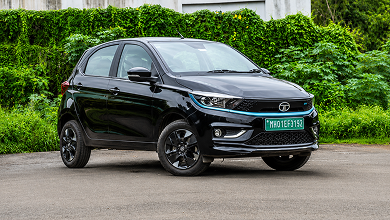
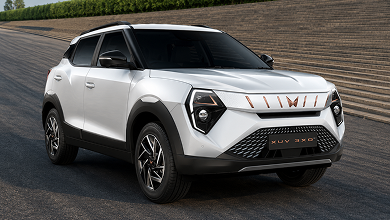
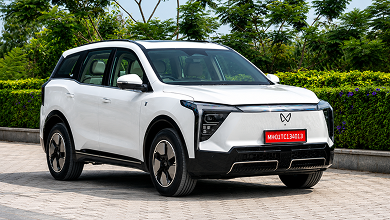
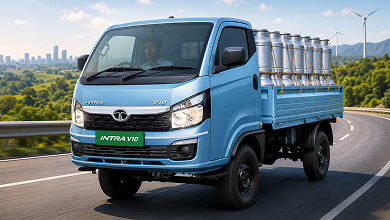
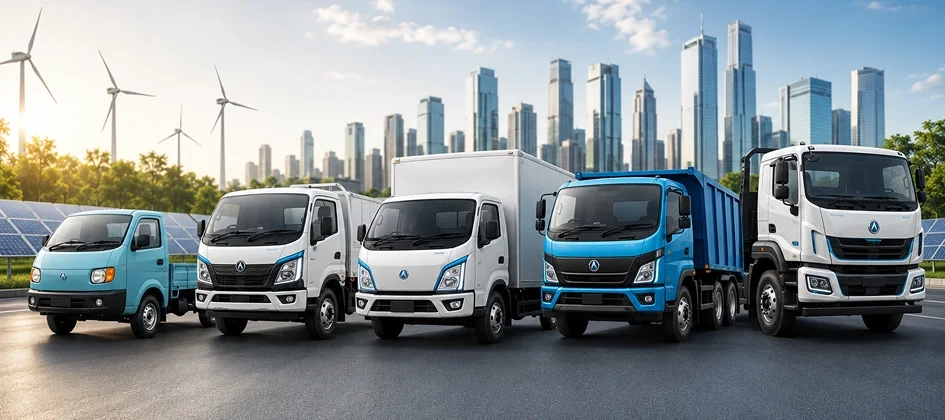
The year 2026 marks a watershed moment for the Indian logistics and transportation sector. As the government pushes for net-zero emissions and the "FAME" initiatives evolve, electric trucks have transitioned from experimental prototypes to the backbone of Indian freight. For fleet owners and independent transporters, switching to electric vehicles (EVs) is no longer just an environmental choice—it is a critical financial strategy to combat rising diesel costs and urban entry restrictions.
India's commercial vehicle (CV) segment is undergoing a radical shift. Major manufacturers like Tata Motors, Ashok Leyland, and Mahindra, alongside aggressive startups like Euler Motors and Tork, have flooded the market with reliable, high-performance electric trucks. From Small Commercial Vehicles (SCVs) used for last-mile delivery to Heavy Commercial Vehicles (HCVs) for long-haul transport, the options are more diverse than ever.
Key Trend: Battery swapping and ultra-fast charging are now mainstream, reducing the "downtime" of electric trucks to match those of conventional internal combustion engine (ICE) vehicles.
| Model | Payload Capacity | Range (Full Charge) | Est. Price (Ex-showroom) | Top Feature |
| Tata Ace EV 2.0 | 600 kg - 1 Ton | 160 km | ₹10.5 - 12.5 Lakh | Liquid-cooled battery |
| Ashok Leyland BADA DOST i1 | 1.5 - 2 Tons | 150 km | ₹14.0 - 16.0 Lakh | Fast-charging (80% in 45m) |
| Mahindra e-Supro Cargo | 600 kg | 115 km | ₹9.0 - 11.0 Lakh | Low Maintenance Cost |
| Euler HiLoad EV | 688 kg | 170 km | ₹9.5 - 11.0 Lakh | Highest Torque in segment |
| Olectra e-Heavy Tipper | 20 - 28 Tons | 220 km | ₹1.2 - 1.5 Crore | Regenerative Braking |
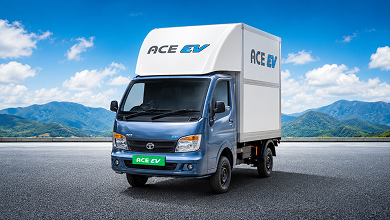
The "Chota Haathi" of India has gone completely green. The Ace EV 2.0 is specifically designed for the dense traffic of Indian metros. With its robust 160 km range, it covers typical city delivery routes twice over on a single charge. It features the EVOGEN powertrain, which ensures consistent performance even in the extreme heat of Indian summers.
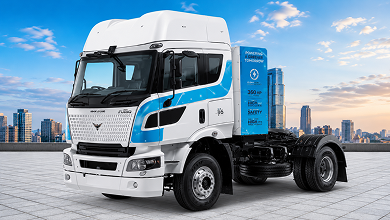
Ashok Leyland has targeted the medium-range segment. These trucks offer a superior payload capacity of up to 2 tons, making them ideal for FMCG and e-commerce distribution centers. The focus here is on driver comfort, featuring air-conditioned cabins and ergonomic seating to reduce fatigue during long shifts.
Euler Motors has captured a significant market share with its HiLoad model. It boasts the industry’s highest torque in its class, allowing it to navigate steep flyovers and rugged terrain even when fully loaded. Its proprietary "ArcRac" battery cooling system ensures battery longevity.

Drastic Fuel Savings: The cost per kilometer for an electric truck is approximately ₹1.0 - ₹1.5, compared to ₹8 - ₹10 for diesel trucks.
Low Maintenance: EVs have fewer moving parts. No engine oil changes, no fuel filters, and no complex transmission maintenance.
Government Subsidies: State-specific EV policies and FAME-III incentives provide significant upfront discounts and road tax waivers.
Quiet Operations: The silent operation allows for night-time deliveries in residential areas where diesel trucks might be restricted due to noise pollution.
Future-Proofing: With many Indian cities considering "Green Zones" where only zero-emission vehicles are allowed, owning an EV truck ensures uninterrupted access.
Buying an electric truck is different from buying a diesel one. Here are the critical factors to evaluate before making the investment:
Always distinguish between "Certified Range" and "Real-World Range." A truck certified for 200 km might deliver 150 km with a full load and air conditioning on. Calculate your daily route and ensure the truck has a 20% buffer.
Most Indian trucks use LFP (Lithium Iron Phosphate) or NMC (Nickel Manganese Cobalt) batteries. LFP is generally considered safer and more durable for the Indian climate. Ensure the manufacturer provides at least a 5-year or 150,000 km warranty on the battery pack.
Does the truck support DC fast charging? Can you install a captive charging station at your warehouse? If you are a long-haul operator, check if your route has public charging stations compatible with your vehicle's connector type.
While the purchase price of an electric truck is 30-50% higher than diesel, the TCO over 5 years is usually 25% lower. Use a TCO calculator to see when you will hit the "break-even" point.
Despite the growth, challenges remain. The initial acquisition cost is still high for small-scale operators. Furthermore, the resale market for electric trucks is still developing, making it difficult to predict the residual value after 7-8 years. However, with battery prices dropping globally, these hurdles are rapidly diminishing.
By 2026, the question is no longer "if" you should switch to electric trucks, but "when." For urban logistics and intra-city transport, the electric truck has already won. The savings in operational costs alone provide a competitive edge that no diesel fleet can match. Whether you are a small business owner looking for a Tata Ace EV or a large fleet manager eyeing the heavy-duty Olectra models, the Indian market now offers a solution for every need.


Manage reminders, payment status, and renewal dates from one simple app.


Trusted by policyholders to track every renewal.

