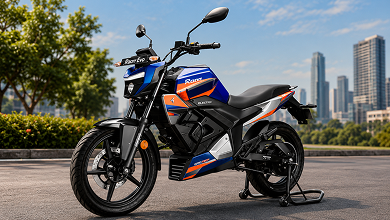
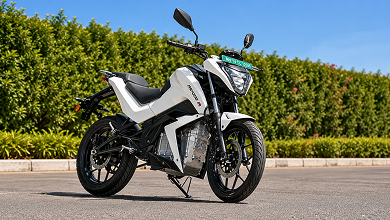
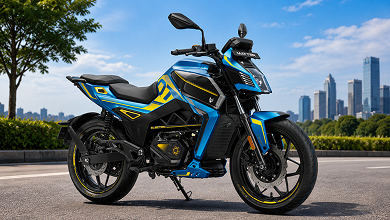
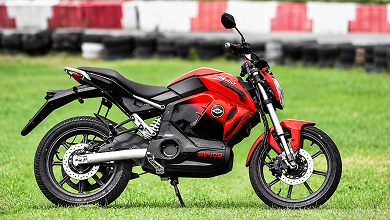
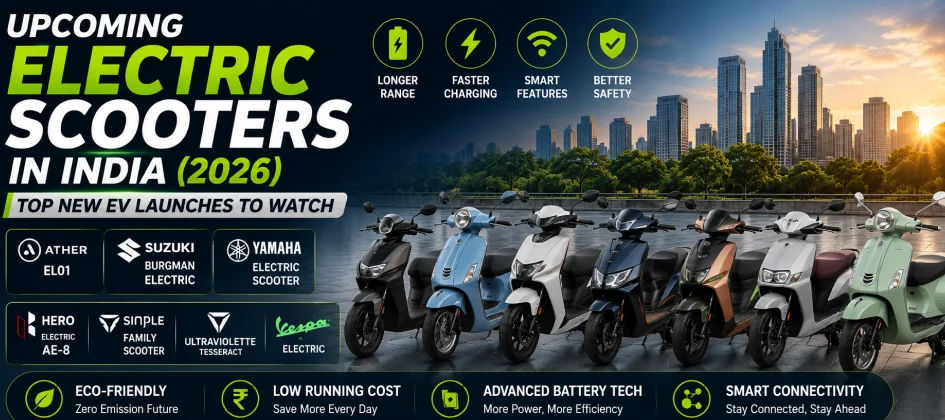
The Indian electric two-wheeler market is moving fast. If you've spent any time on urban Indian roads recently, you’ve likely noticed the silent, quick acceleration of green-plated two-wheelers weaving through traffic. What started as an alternative commute option has officially turned into a mainstream shift.
As we move through 2026, manufacturers are preparing to introduce a highly anticipated wave of next-generation electric scooters. This isn't just about cosmetic updates or a few new colour variants. The upcoming lineup brings fundamentally better battery architecture, longer real-world ranges, localised thermal cooling systems, and accessible price points that challenge traditional petrol scooters.
Whether you are looking to purchase your first EV or trade up from an older generation model, waiting for these upcoming launches can provide access to significantly advanced technology. Here is a comprehensive breakdown of the most anticipated electric scooters scheduled to debut or see wider rollouts in India through 2026 and early 2027.
Before we dive into the granular details of each model, this master tracking table outlines the expected pricing, targeted real-world range, and primary consumer focus for the most anticipated models.
| Upcoming Electric Scooter | Expected Price (Ex-Showroom) | Expected True Range | Target Audience | Expected Timeline |
| Ather EL01 | INR 90,000 – INR100,000 | 100 – 115 km | Budget-Conscious & Daily Commuters | Mid to Late 2026 |
| Simple Family Scooter | INR 100,000 – INR 110,000 | 140 – 160 km | Practical Families | Late 2026 |
| Suzuki Burgman Electric | INR 120,000 – INR 140,000 | 90 – 110 km | Maxi-Scooter Lovers & Professionals | From mid-2026 onwards |
| Yamaha EV Scooter | INR 140,000 – INR 160,000 | 100 – 120 km | Gen-Z & Performance Enthusiasts | Early 2027 |
| Ultraviolette Tesseract | INR 145,000 – INR 175,000 | 180 – 220 km | High-Speed Track & Premium Riders | Early 2027 |
| Vespa Electric | INR 160,000 – INR 180,000 | 90 – 110 km | Premium Lifestyle Buyers | Mid to Late 2026 |
| Hero Electric AE-8 | INR 70,000 – INR 85,000 | 80 – 95 km | Students & Short-Distance Commuters | Mid 2026 |
There is a massive piece of misinformation floating around that the upcoming Ather EL01 will be a super-premium, ultra-expensive machine. Let's clear that up right away: it's exactly the opposite.
Ather Energy is utilising the brand-new EL platform specifically to go after the high-volume, mass-market budget segment. While models like the 450X and the 450 Apex targeted performance enthusiasts, and the Rizta focused on space-hungry families, the EL01 is designed to be an accessible, entry-level daily driver.
Targeted Pricing: Expected to land under the sweet spot of INR 100,000, making it a direct competitor to entry-level 110cc petrol scooters.
Powertrain & Battery: To keep production costs low while maintaining high safety standards, the EL01 is expected to feature a more compact, highly optimised lithium-ion battery pack paired with an efficient hub motor.
Design & Form Factor: Patent filings and road test sightings show a slightly more compact, lightweight chassis compared to the Rizta. Expect clean lines, an integrated headlight assembly mounted on the handlebars, and functional under-seat storage.
Smarter Cost-Cutting: Rather than a massive, expensive touchscreen display, the EL01 will likely utilise a crisp, negative-LCD digital cluster or a simplified dashboard that still retains core Bluetooth capabilities and turn-by-turn navigation alerts through an app.
The Verdict: If you love Ather's engineering and reliable battery thermal management but couldn't justify spending INR 1.4 Lakh+ on a scooter, the EL01 is the exact model you should hold out for.
Simple Energy made waves with the massive battery capacities of its initial offerings. However, a high-performance, ultra-sporty machine isn't always what a household needs for grocery runs, school drops, and routine office trips. Enter their dedicated family-focused scooter project.
Comfort First Engineering: The scooter features a significantly longer, wider, flat bench seat designed to comfortably accommodate two adults. The floorboard area has been enlarged to ensure you can easily carry a gas cylinder, water cans, or heavy backpacks.
Substantial Range: True to Simple Energy’s core philosophy, even their family model is projected to lead its class in mileage. It is targeting a real-world range of over 140 km on a single charge by utilising a highly efficient battery management system (BMS).
Suspension Tuning: Expect a plush, softly sprung telescopic front suspension and a reliable mono-shock setup at the back, tuned precisely to absorb bad city potholes and speed breakers without rattling the rider.
Suzuki has been conducting extensive, real-world road tests across Indian cities for quite some time, fine-tuning its electric powertrain to handle extreme ambient temperatures. The electric Burgman will preserve the exact visual identity that made its internal combustion engine (ICE) counterpart a hit: a large, imposing front apron, relaxed feet-forward ergonomics, and premium highway-ready styling.
Premium Commuter Comfort: The standout feature here is ergonomics. The Burgman Electric will offer unmatched wind protection and an expansive seat, making it ideal for longer urban commutes across massive metro cities.
Powertrain Reliability: Suzuki is expected to deploy a mid-mounted motor setup that transfers power smoothly to the rear wheel, offering a linear, predictable throttle response rather than aggressive, jerky acceleration.
The Swappable Battery Ecosystem: Rumours suggest Suzuki might introduce compatibility with a standardised swappable battery consortium ecosystem, which could drastically reduce charging downtime if network partnerships roll out smoothly.
Yamaha has historically taken a cautious approach to entering India's EV market, preferring to showcase concepts globally while gathering data. However, the Japanese giant is preparing a sharp, performance-orientated electric scooter tailored specifically for college students and younger riders who refuse to ride boring vehicles.
Riding Dynamics: Yamaha is centring this build around a lightweight, high-tensile frame. The suspension will be stiff and sporty, allowing riders to lean into corners with maximum confidence.
Aesthetic Appeal: Do not look for basic family lines here. Expect aggressive split-LED headlights, sharp aerodynamic side panels, dual-tone paint schemes, and an overall stance that mirrors the Yamaha Aerox or RayZR family.
Connectivity Ecosystem: The digital console will be heavily integrated with social features, detailed ride analytics, geo-fencing options, and custom riding modes that users can tweak directly from their smartphones.
If you believe electric scooters are purely meant for buying groceries, Ultraviolette is about to completely shatter that assumption. The Tesseract is an uncompromising, high-voltage performance scooter built on a premium architecture designed to push speed boundaries.
Astonishing Performance: This machine is targeted at riders who want motorcycle-like performance out of a step-through frame. Expect a massive mid-drive motor capable of launching the vehicle from 0 to 60 km/h in a matter of seconds, alongside a top speed comfortably exceeding 100 km/h.
Aviation-Grade Engineering: True to the Ultraviolette DNA, expect active liquid cooling or advanced structural thermal boundaries for the battery pack, dual-channel ABS, wider sticky tyres, and an adjustable suspension setup.
Futuristic Dashboard: A full-colour, high-resolution TFT display acts as the flight deck, offering complex telemetry data, bank angle sensors, adaptive regenerative braking controls, and multiple specialised track modes.
For some buyers, spec sheets, top speeds, and 0-40 times don't mean a thing. It’s all about the aesthetic, the lifestyle, and the sheer elegance of the machine. The upcoming premium Vespa Electric brings iconic retro-modern lines into the emission-free era.
Timeless Metal Bodywork: Unlike almost every other EV scooter on the market that relies on lightweight plastic or ABS body panels, Vespa is sticking to its premium monocoque steel chassis heritage. This gives the scooter an incredibly solid, premium, and rattle-free ride quality.
Exquisite Detailing: Expect flawless chrome accents, premium leatherette contoured seats, stunning retro round LED headlamps, and deep, lustrous metallic paint options.
Smooth City Cruising: The powertrain is designed for elegant, effortless city cruising. It won't have an explosive launch mode, but it will deliver exceptionally smooth, quiet, vibration-free acceleration up to comfortable city speeds.
The electric scooter market in 2026 is witnessing a massive technological leap forward. Buying a scooter now means you are stepping into a mature ecosystem. These core advancements have shifted from luxury add-ons to standardised baseline features:
Early electric scooters suffered from performance drops or thermal shutdowns during harsh Indian summers. The 2026 lineup introduces optimised air-ducting and intelligent liquid/phase-change material cooling solutions, keeping battery pack temperatures uniform even when riding in 45°C ambient conditions.
A scooter purchased in 2026 is fundamentally a software-driven machine. Through built-in 4G/5G eSIMs, these vehicles receive regular software updates that patch bugs, improve battery efficiency, refine throttle maps, and introduce entirely new UI layouts to the dashboard long after you take delivery.
Multi-stage regenerative braking systems are becoming incredibly advanced. Instead of a sudden jerky deceleration when you roll off the throttle, modern systems mimic natural engine braking, feeding energy smoothly back into the battery pack while preserving brake pad life. Combined with mandatory combined braking systems (CBS) or anti-lock braking systems (ABS) on higher-end models, rider safety is seeing a massive upgrade.
Navigating the choice between purchasing a currently available model or waiting out the upcoming launches comes down to evaluating your immediate commuting requirements.
Your Current Vehicle is Haemorrhaging Money: If your old petrol scooter requires frequent engine overhauls or fuel costs are actively denting your monthly budget, switching immediately to available market leaders like the Ather Rizta, TVS iQube, or Bajaj Chetak makes complete financial sense.
Predictable Tech Suffices: Current-generation scooters already offer a highly reliable 100 km of true range, stable battery tech, and established service networks. If you don't care about having the flashiest new screen or a hyper-futuristic design, today's options are excellent.
You Are Hunting for Entry-Level Value: If you want a top-tier brand name like Ather but have a strict budget under INR 1 lakh, waiting for the mass-market Ather EL01 or the Simple Family Scooter is completely worth your patience.
You Want Legacy Japanese Brand Trust: If you are intensely loyal to brands like Suzuki or Yamaha and want their extensive, trusted dealer networks and bulletproof engineering philosophies applied to an electric powertrain, waiting is the logical choice.
You Crave Peak Visual and Riding Differentiation: If you want a lifestyle statement like the Vespa Electric or a track-ready performance monster like the Ultraviolette Tesseract, nothing currently on the market will satisfy those specific requirements.


Manage reminders, payment status, and renewal dates from one simple app.


Trusted by policyholders to track every renewal.

