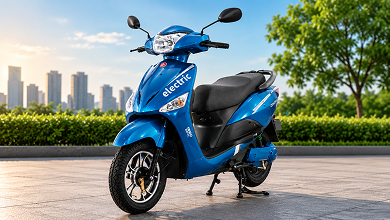
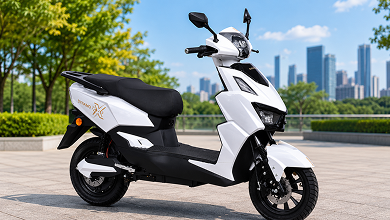
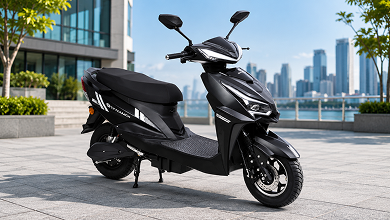
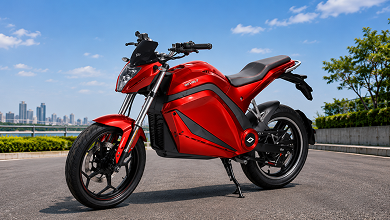
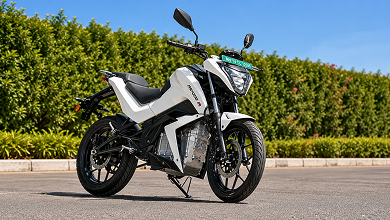
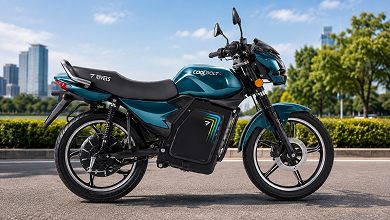
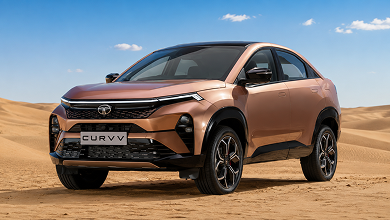
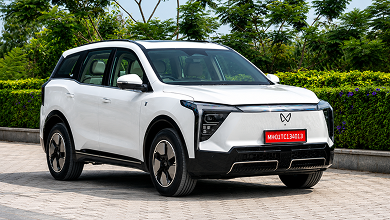
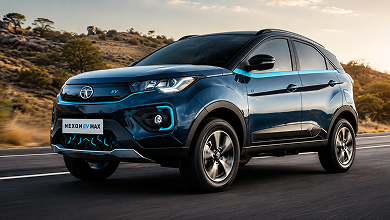
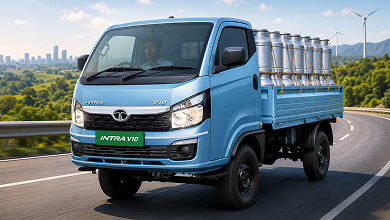
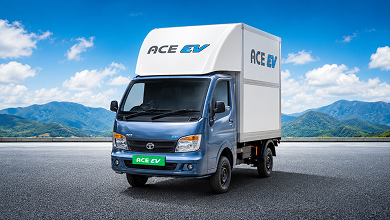
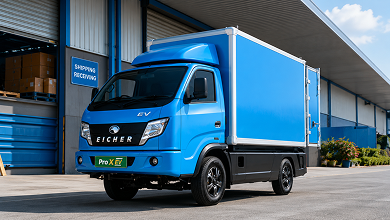
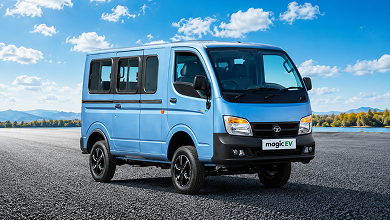
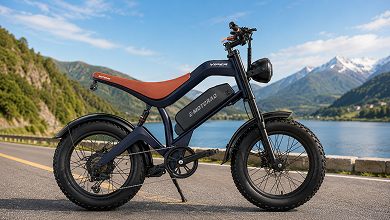
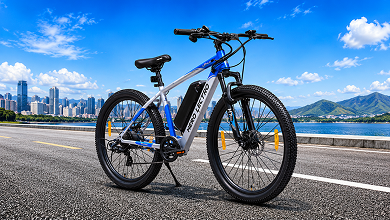
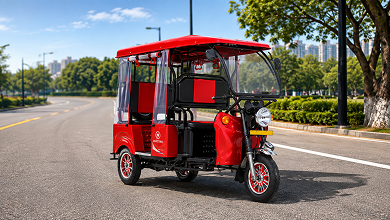
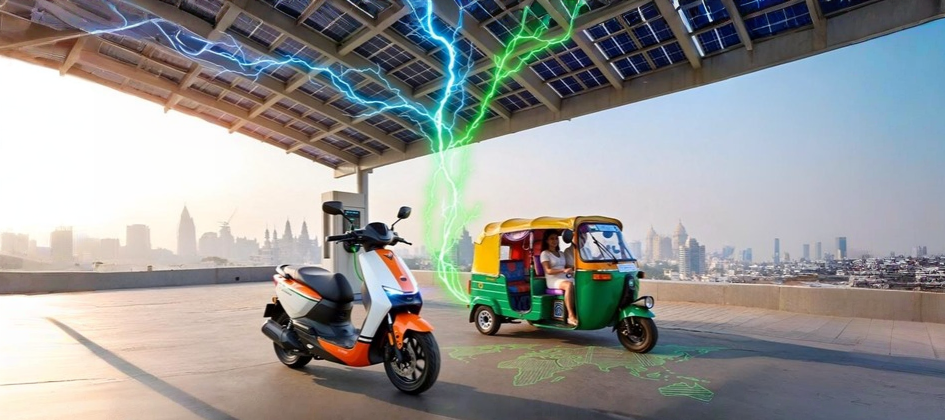
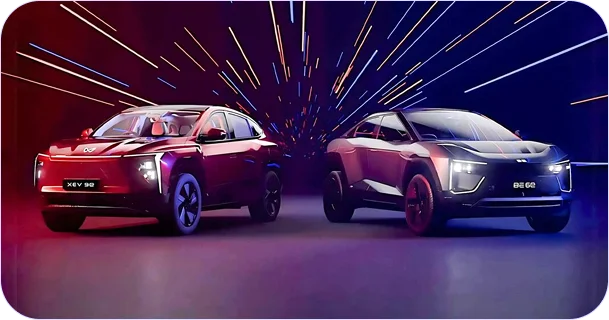
India stands at the threshold of a significant transition in transportation. What started as a cautious evolution is rapidly developing into a complete revolution in electric vehicles (EVs) in India. EVs don't simply present an alternative mode of transportation; they delineate the future of transport in India by helping to address the most pressing problems the country faces: air quality, energy security, and economic sustainability.
The momentum for adoption of EVs in India is both exciting and pertinent to the future of mobility in India. With the support of facilitating government policies, rapid changes in technology, and evolving consumer awareness, electric vehicles are gearing up to become the dominant force in the landscape of mobility. The question has shifted from whether EVs will displace petrol or diesel vehicles in India to how quickly we will get there.
This paper provides a glimpse into the key pillars of facilitating India’s change to smarter, cleaner mobility.
1. The Green Imperative: Vehicles with Zero Emissions
The most visible and immediate benefit of the electric vehicle transition is the impact on air quality in urban areas. India is grappling with severe air pollution in its major cities, with vehicle emissions being one of the most prominent contributors to the problem.
- Zero Tailpipe Emissions: Electric Vehicles (EVs) are zero-emission vehicles that can directly improve local air quality, having a direct impact on public health.
- Climate Goals: The transition is part of India's ambitious climate goals, moving the country in the direction of sustainable transportation while accelerating India's long-term net-zero goals.
- Noise Reduction: EVs are silent vehicles and will help to reduce the massive problem of noise pollution in urban Indian settings, providing a more peaceful environment.
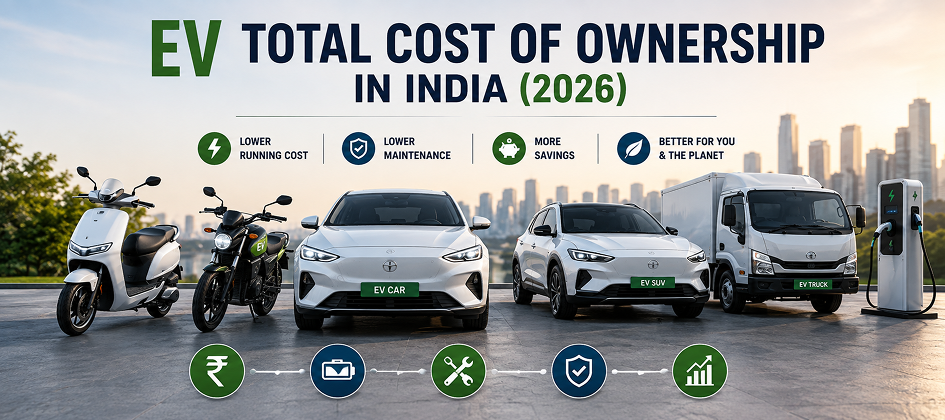
2. Economic Wins: Financial Inclusion and Lower TCO
While the purchase price of an EV may be higher than an internal combustion engine (ICE) vehicle, the total cost of ownership (TCO) is showing significant promise, especially in the high-mileage commercial segment.
- Reduced Operating Costs: The cost of electricity is dramatically less than the cost for petrol or diesel. For gig workers, taxi drivers, and fleet operators, operating costs on a per-km basis are lowered significantly, leading to greater economic viability and financial inclusion.
- Reduced Maintenance: EVs have a fewer number of moving parts, with no oil changes, no clutch plates, and no complex engine maintenance, which leads to considerably lower servicing costs over time.
- BaaS: New solutions, such as battery-as-a-service (BaaS) and battery swapping, are being developed specifically to remove the relatively high cost of the battery from the vehicle purchase, reducing the overall price of EVs and making them a more viable option for independent drivers or small/medium fleet operators.
3. Policy Push: The Role of Government
Government support has been an important contributor to the electric vehicle revolution in India and has provided both manufacturers and consumers a strong and stable environment.
- PM E-DRIVE and FAME: Initiatives, such as the PM E-Drive Revolution in Innovative Vehicle Program (PM E-DRIVE), build on previous initiatives, like FAME-II (Faster Adoption and Manufacturing of Electric Vehicles), and will provide significant purchase support, especially in the two- and three-wheel segment, which is a large focus of the Indian transport network.
- Manufacturing Support: Production-linked incentive schemes (PLI) have successfully encouraged both foreign and Indian companies to manufacture electric vehicles and advanced battery cells within India, generating local jobs and decreasing reliance on imports.
- State-Level Incentives: In addition, many states also provide application-based subsidies, road tax exemptions, and/or waived registration fees to further mitigate the up-front cost to the consumer.
4. Innovation and Infrastructure Development
While worries regarding range anxiety and speed of charging still exist, advancements through ongoing innovation and infrastructure development are resolved.
- Battery Technology Improvements: Continuous advancements in battery technology are creating higher energy density, lower production costs, and better thermal management, resulting in longer range and safer vehicles.
- Accelerated Charging Network Development: Both central and state governments, as well as private players, are rapidly establishing a nationwide charging ecosystem. Programs such as the EV Mitra Scheme are providing subsidies to develop public charging units along highways and urban centers, further making intercity travel more feasible.
- Smart Mobility Solutions: The advent of smart mobility solutions seamlessly enables drivers to locate, reserve, and pay for charging stations, improving the driver experience and allowing for reliability in the development of EV infrastructure.
5. Prospects: India as a Global Hub for EVs
The prospects of electric vehicles in India are expected to be enormous; projections suggest that India will be the largest EV marketplace in the world by 2030, led in volume growth by two- and three-wheelers.
Transitioning to electric is not just a change in fuel; it is also a national strategy to enhance energy independence, minimize environmental impacts, and build a new manufacturing sector. With aligned policy, technology, and economic incentives, India is well on its way to defining the next phase of the EV revolution in India.